


Table of Contents
Understanding Common Affiliate Marketing Mistakes
| Common Mistake | Why It’s a Problem | Solution in 2025 |
|---|---|---|
| Choosing the wrong niche | Low demand or too much competition | Research with Google Trends & niche tools |
| Ignoring audience research | Content won’t connect with the right people | Use surveys, analytics, and audience personas |
| Not tracking performance | No idea what works or fails | Monitor KPIs with Google Analytics & affiliate dashboards |
| Promoting too many products | Audience loses trust | Focus on 2–3 high-quality, relevant offers |
Affiliate marketing is a dynamic field that continues to evolve, yet some mistakes remain persistently relevant in 2025. Understanding these common pitfalls is essential for both novice and seasoned marketers aiming to optimize their strategies and enhance profitability. One of the most significant mistakes is poor niche selection. Selecting a niche that is overly saturated or poorly aligned with your interests can drastically affect success—96.55% of pages get no organic traffic due to poor niche choice (Ahrefs, 2023). A well-chosen niche aligns with market demand and personal enthusiasm, facilitating more authentic marketing efforts.
Another frequent error is the lack of thorough audience research. Failing to understand your target audience leads to ineffective promotions—content built on buyer personas can increase engagement by up to 6×, and 48% of buyers prefer brands that cater to their specific needs (Delve.AI, 2024). It is imperative to know demographics, preferences, and behaviors of potential customers. This meticulous audience insight allows marketers to tailor their content and improve engagement rates significantly. Additionally, inadequate content quality is a common oversight. High-quality, valuable content is paramount in attracting and retaining an audience. It not only promotes products effectively but also enhances credibility and builds trust with the audience.
Moreover, ignoring the importance of tracking performance metrics can prove detrimental. Data-driven insights are crucial for determining what works and what does not in an affiliate marketing strategy. By consistently monitoring key performance indicators, marketers can make informed decisions and adjust their tactics accordingly. This practice of continual improvement is vital for remaining competitive in the ever-changing landscape of affiliate marketing. Through an understanding of these common pitfalls, marketers can better navigate the challenges and significantly reduce the likelihood of repeating these affiliate marketing mistakes.
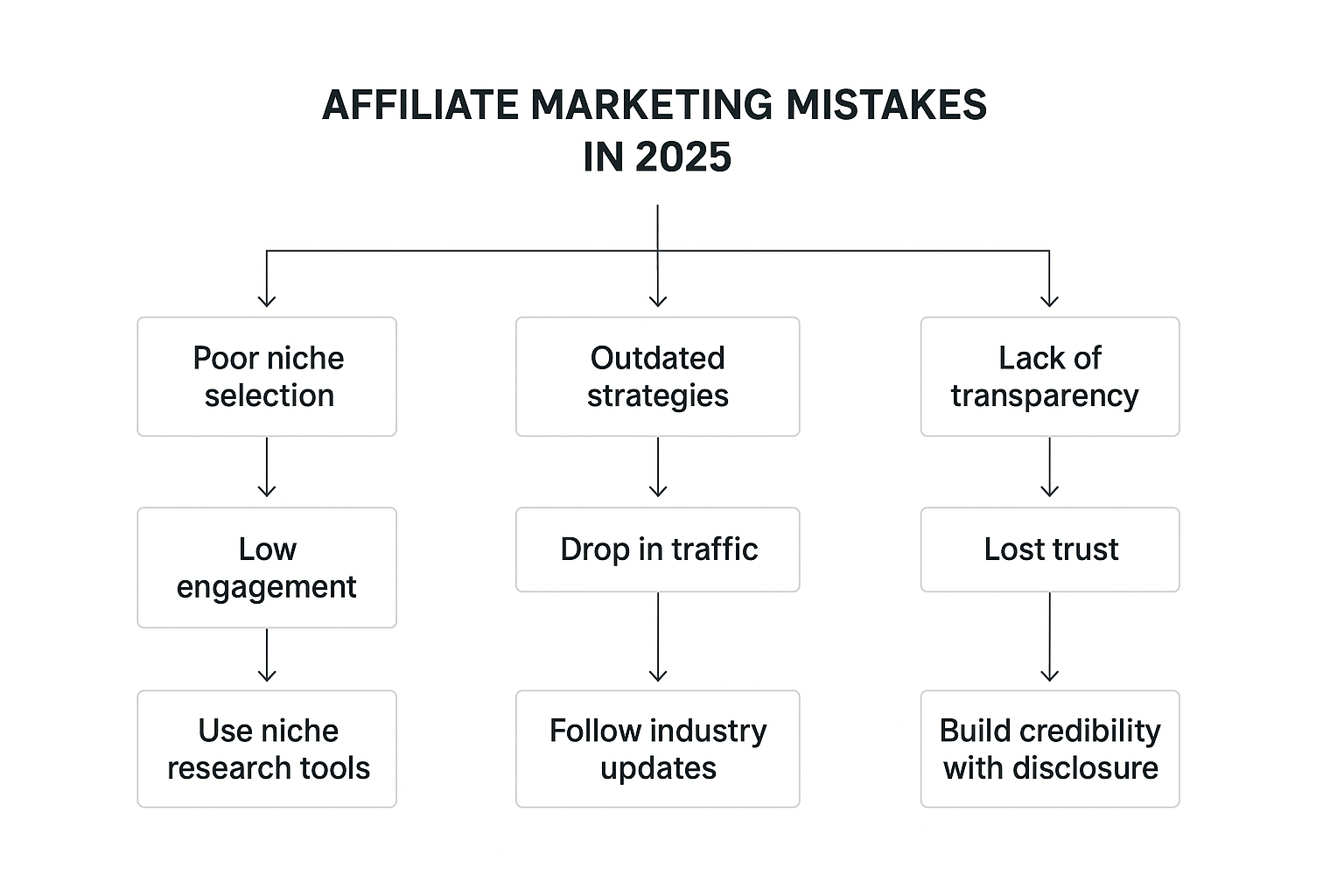
Staying Updated with Industry Trends
To avoid affiliate marketing mistakes, it is essential for marketers to remain vigilant and informed about the ever-evolving landscape of the industry. Keeping up with the latest trends not only helps in maximizing the effectiveness of marketing strategies but also minimizes the risk of falling behind due to outdated practices. A key aspect of staying updated involves understanding algorithm updates from major search engines and social media platforms. These updates can significantly impact how content is ranked and displayed, affecting organic reach and engagement levels.
Moreover, shifts in consumer behavior must be closely monitored. Understanding what motivates consumers and how their preferences change over time is crucial for creating relevant content that resonates with the target audience. For instance, the rise of short-form video content has transformed how brands engage with consumers. By adapting to these trends, marketers can enhance their campaigns and better connect with their audiences, thereby reducing potential affiliate marketing mistakes.
Technological advancements also play a vital role in the affiliate marketing sphere. Emerging tools and software are available to improve tracking, analytics, and customer relationship management. By leveraging these resources, marketers can gain deeper insights into campaign performance, allowing for data-driven decisions that enhance overall effectiveness. Continual learning is paramount; participating in webinars, online courses, and industry conferences can provide valuable information and networking opportunities.
Furthermore, following industry blogs, forums, and engaging with thought leaders on social media platforms can distribute vital insights about trends and best practices. In an increasingly competitive environment, dedicating time to education and adaptation can significantly impact success rates in affiliate marketing. By prioritizing continuous learning and staying informed, marketers can successfully reduce potential pitfalls, thereby avoiding common affiliate marketing mistakes.
Building Trust and Credibility in Your Niche
In the realm of affiliate marketing, cultivating trust and credibility is paramount for long-term success. As consumers become increasingly discerning, marketers must adhere to best practices that promote transparency and authenticity in their promotions. One of the most effective ways to achieve this is by being honest about the products or services being endorsed. Clearly disclosing your affiliate relationships ensures that your audience is aware of potential commissions, which fosters a sense of trust and respect.
Additionally, authenticity plays a crucial role in recommendations. Instead of promoting every available product, focus on endorsing those that align with your values and that you genuinely believe will benefit your audience. Share personal experiences and insights regarding these products, as this will make recommendations more relatable and trustworthy. By maintaining authenticity in your promotions, followers are more likely to revere your opinions, which can help mitigate common affiliate marketing mistakes.
Steps to Build Trust in Affiliate Marketing (2025)
- Disclose all affiliate relationships.
- Promote only products you genuinely believe in.
- Share personal experiences with the product.
- Develop a consistent brand voice.
- Engage with your audience through comments & social media.
Engagement with your followers is another vital aspect of building credibility. Encourage communication through social media channels, blog comments, or email newsletters. Promptly respond to queries and feedback, as this demonstrates your commitment to your audience and can foster strong relationships. Actively listening to followers can also provide essential insights into their needs and preferences, allowing you to tailor your content effectively.
In addition, developing a unique brand voice can significantly enhance credibility. Establish a consistent tone and style across all platforms to ensure your audience recognizes and resonates with your content. This familiarity not only builds trust but also distinguishes your brand from competitors, consolidating your position in the market. Through transparent promotions, authentic recommendations, and engagement, you can effectively avoid affiliate marketing mistakes and cultivate a loyal audience base that values your authority in the niche.
Utilizing Data and Analytics to Improve Performance
| Tool | Best For | Price Range | Mistakes It Helps Avoid |
|---|---|---|---|
| Google Analytics | Tracking traffic & conversions | Free | Not knowing what works |
| SEMrush | Competitor & keyword analysis | Paid (monthly) | Choosing wrong niche / missing trends |
| Hotjar | Heatmaps & session recordings | Freemium | Not understanding audience behavior |
| Ahrefs | Backlink & content research | Paid (monthly) | Poor SEO and weak content strategy |
In the evolving landscape of affiliate marketing, leveraging data and analytics is increasingly vital for success. By utilizing these tools effectively, marketers can gain valuable insights into audience behavior, conversion rates, and overall campaign performance. This data-driven approach not only helps in refining marketing strategies but also plays a crucial role in avoiding affiliate marketing mistakes.
To begin with, employing analytics tools such as Google Analytics, SEMrush, or Ahrefs can provide an in-depth understanding of how users interact with your content. These platforms allow marketers to track essential metrics such as click-through rates, bounce rates, and average session duration. Through this information, affiliate marketers can identify which campaigns are performing well and which are not, facilitating the necessary adjustments to improve outcomes.
Another important aspect is focusing on audience behavior analysis. Tools such as heatmaps and user session recordings can reveal how visitors navigate through websites. Such insights enable marketers to ascertain high-engagement areas of their websites and adjust their content to enhance visitor experience. By understanding what resonates with audiences, marketers can refine their affiliate promotions, thereby minimizing common errors that hamper success.
Furthermore, conversion rate optimization (CRO) is a critical area where data can significantly aid performance. By analyzing the conversion funnel, marketers can pinpoint where potential customers drop off. This insight allows for strategic modifications, such as optimizing landing pages or testing different calls to action. Ultimately, by systematically interpreting data and making informed decisions, marketers can enhance their performance and avoid pitfalls in their affiliate marketing endeavors.
In conclusion, mastering the use of data and analytics is essential in optimizing affiliate marketing strategies. By understanding audience behavior, monitoring engagement, and refining campaigns based on solid insights, marketers can effectively sidestep common pitfalls and succeed in their affiliate marketing efforts in 2025.
for more content go to : Is Affiliate Marketing Legitimate? What You Need to Know in 2025
Leave a Reply